
Trends
For data-driven stories, to appear under “Trends” menu

Summer is underway, and many homeowners are looking for ways to upgrade their outdoor spaces so they can enjoy the heat in style.
Renovating a fixer-upper is one way to add significant value to a residential property — but just how much value can homeowners add in the Lone Star State?

Texas ranks as one of the U.S. states with the lowest overall energy costs, meaning major savings for Texans.
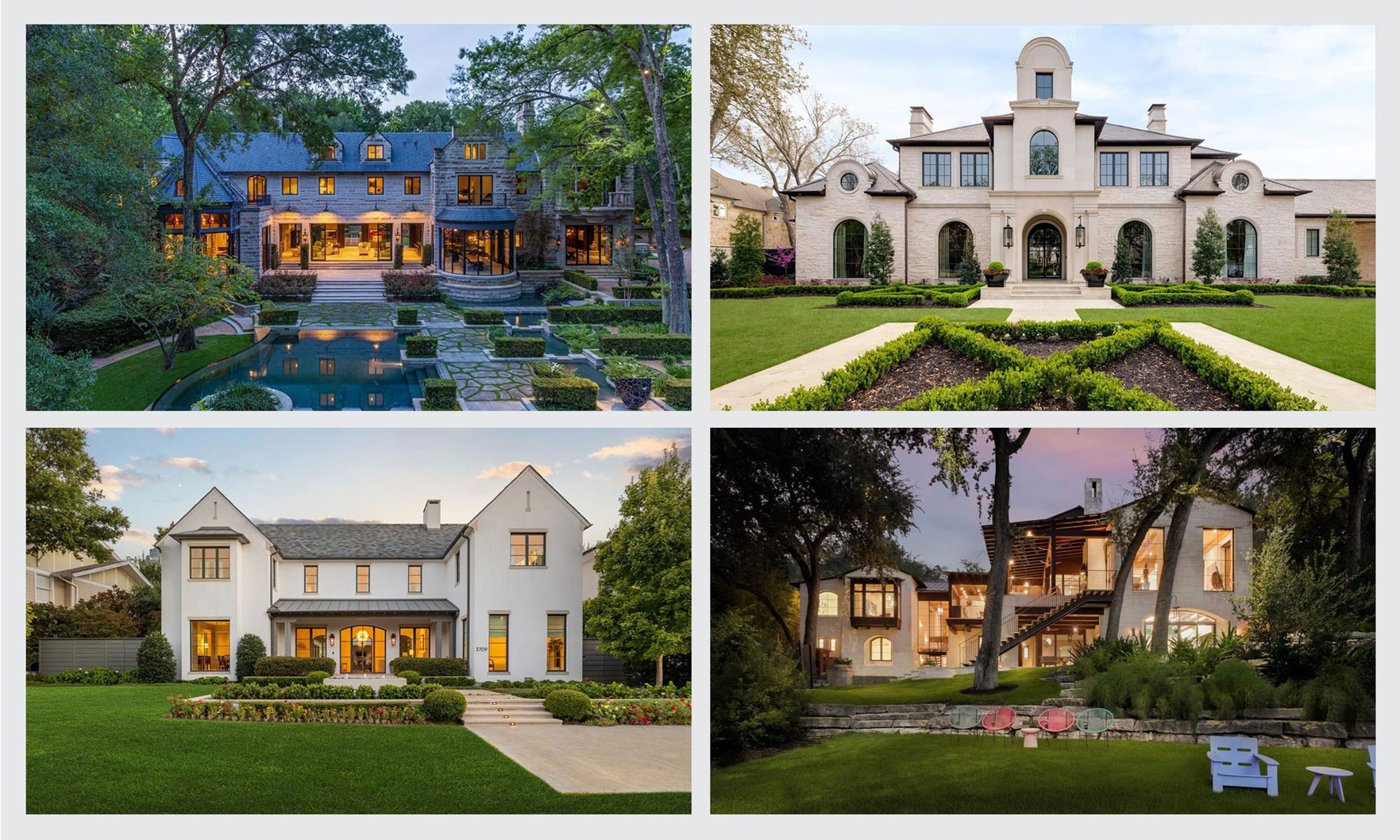
All properties were listed during the month of June.
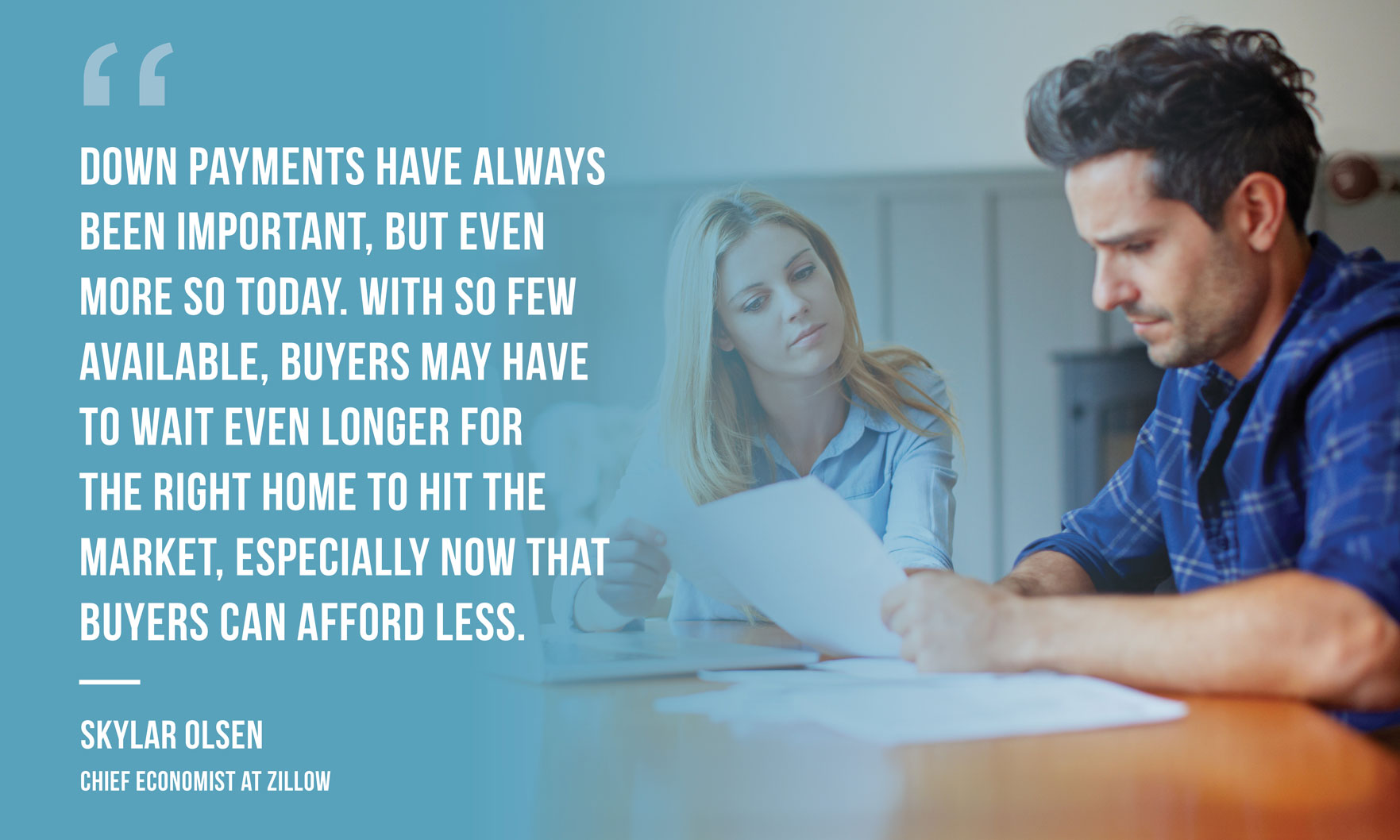
Buying a home in Dallas? Here’s the down payment you need to afford it.
The record-breaking sales price comes as the pace of transactions slid from April, the National Association of REALTORS® said.
Certain Texas cities rank among the top in the country for large apartment sizes, according to a report from RentCafe.

With warm weather heating up much of the United States, many homeowners are craving new summer styles for their living spaces.
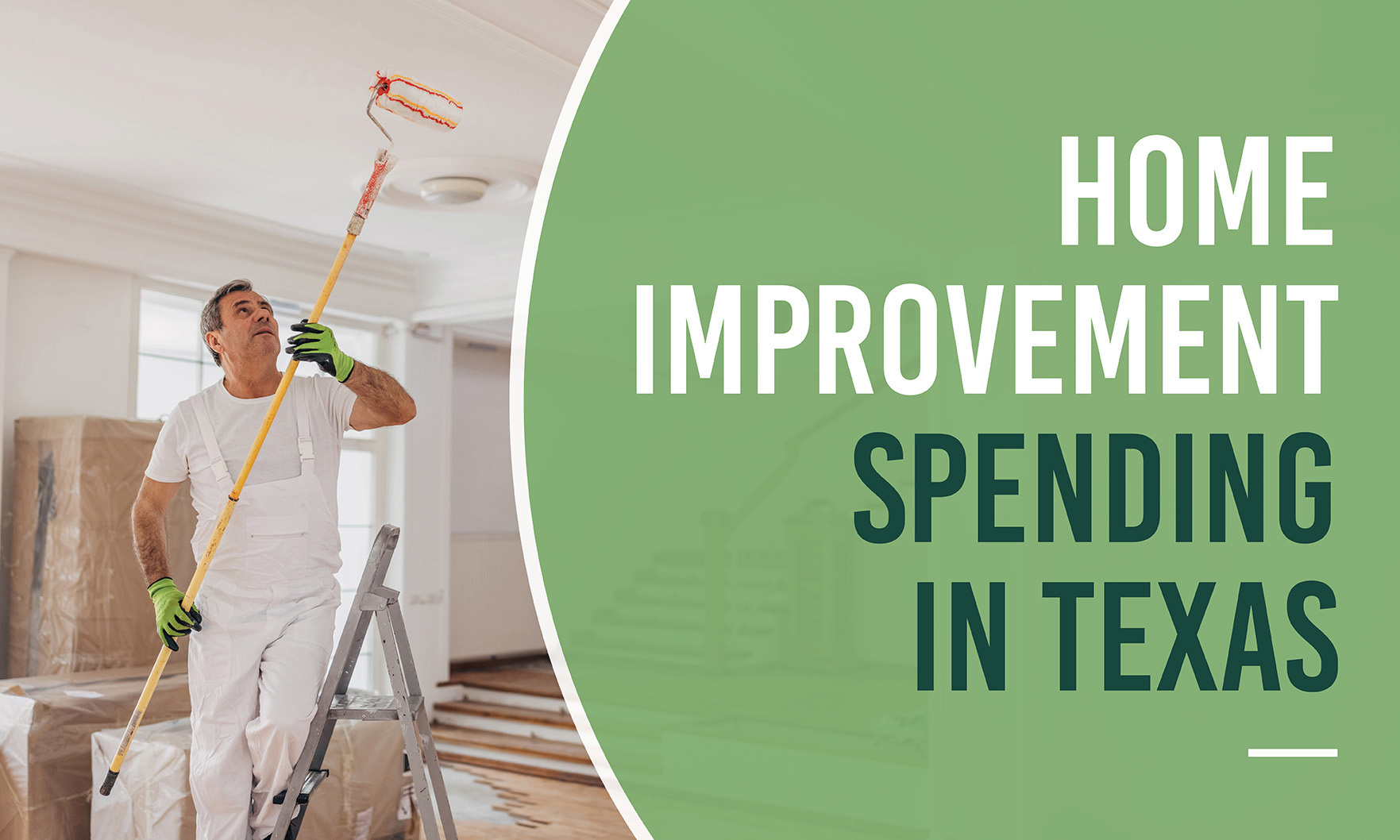
Dallas and Houston rank in the top 10 cities for home renovation spending, according to a report from Pro Tool Reviews.
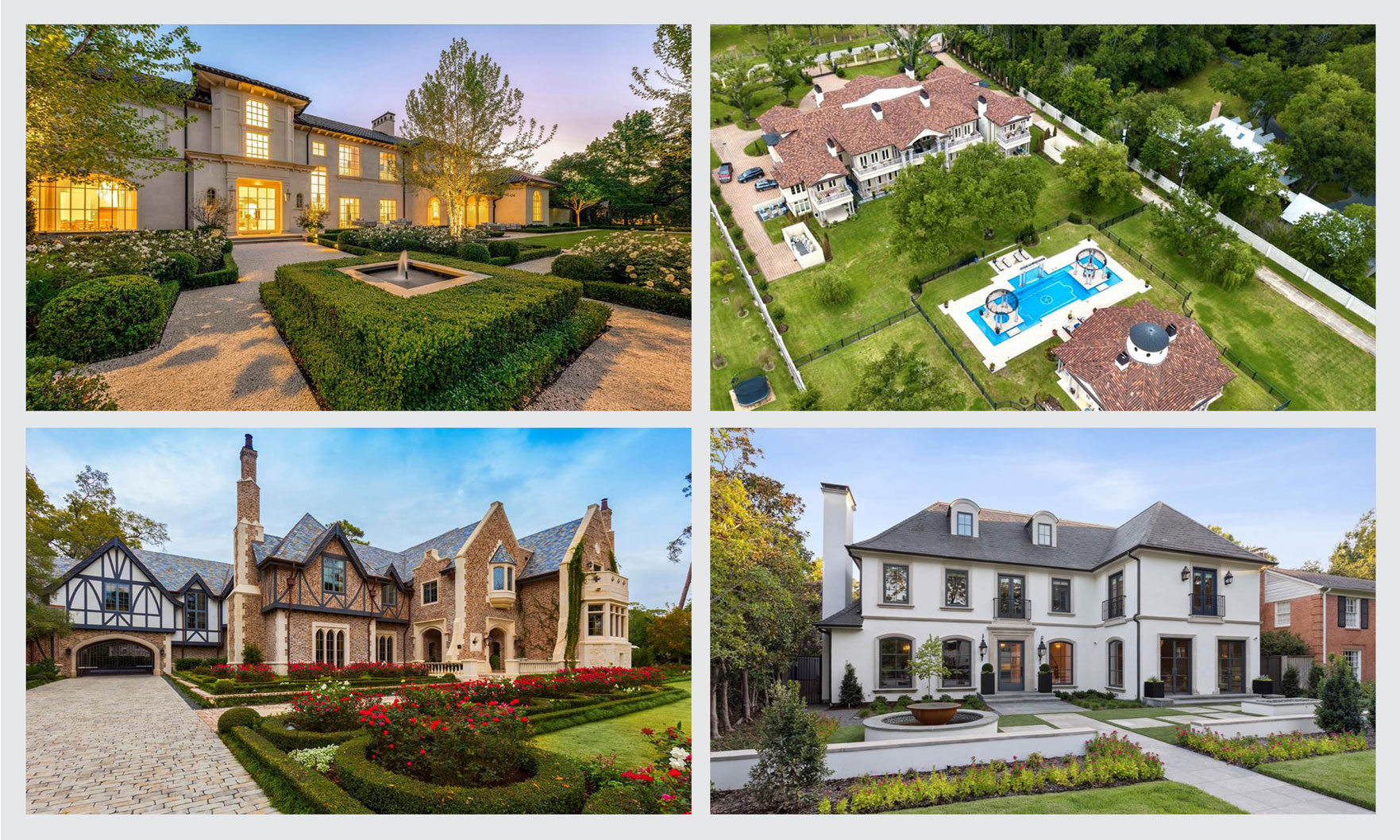
Two of the 10 most expensive new listings in Texas are listed by Chad Barrett, an agent with Allie Beth Allman & Associates.

Dallas’s ranking is due mostly to its affordable rental market: residents only need to spend 31.6% of their income on monthly rent expenses.

Plano ranked No. 4 in the country, behind Fremont, California; Overland Park, Kansas; and Irvine, California.
The S&P CoreLogic Case-Shiller U.S. National Home Price Index has hit a new record for six of the last 12 months, as demand remains strong in the face of tight inventory.
At the same time, the median price of a new home sold in April declined as well.
New-home construction jumped 5.7% month over month after a soft March, according to the U.S. Census Bureau and the U.S. Department of Housing and Urban Development.
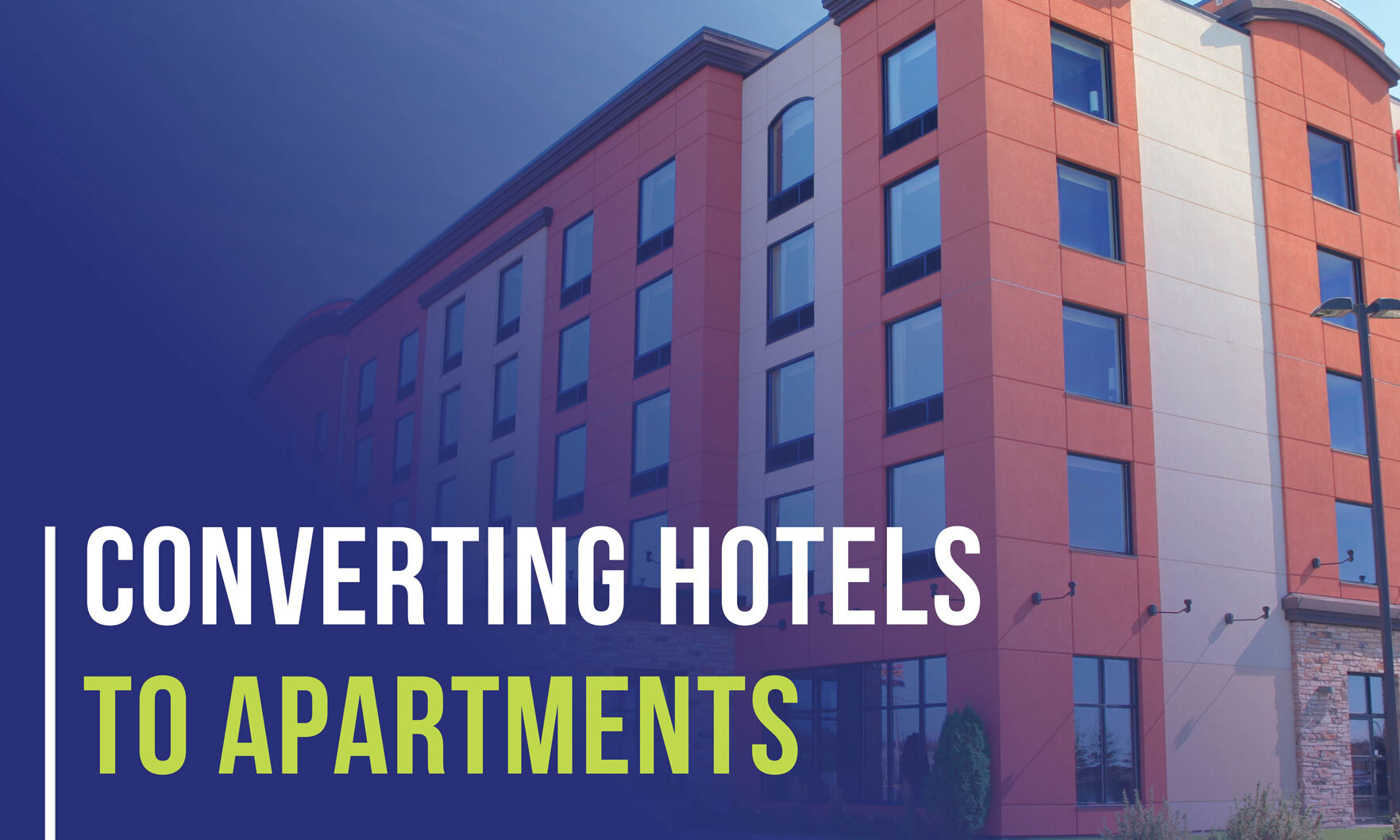
According to a new report from RentCafe, hotels have overtaken offices as the most likely spaces to be converted into new apartments.