Trends
For data-driven stories, to appear under “Trends” menu

Luxury spaces that focus on well-being, comfort and personal meaning are shaping everything in the home, from material selection and layout to color, light and more.
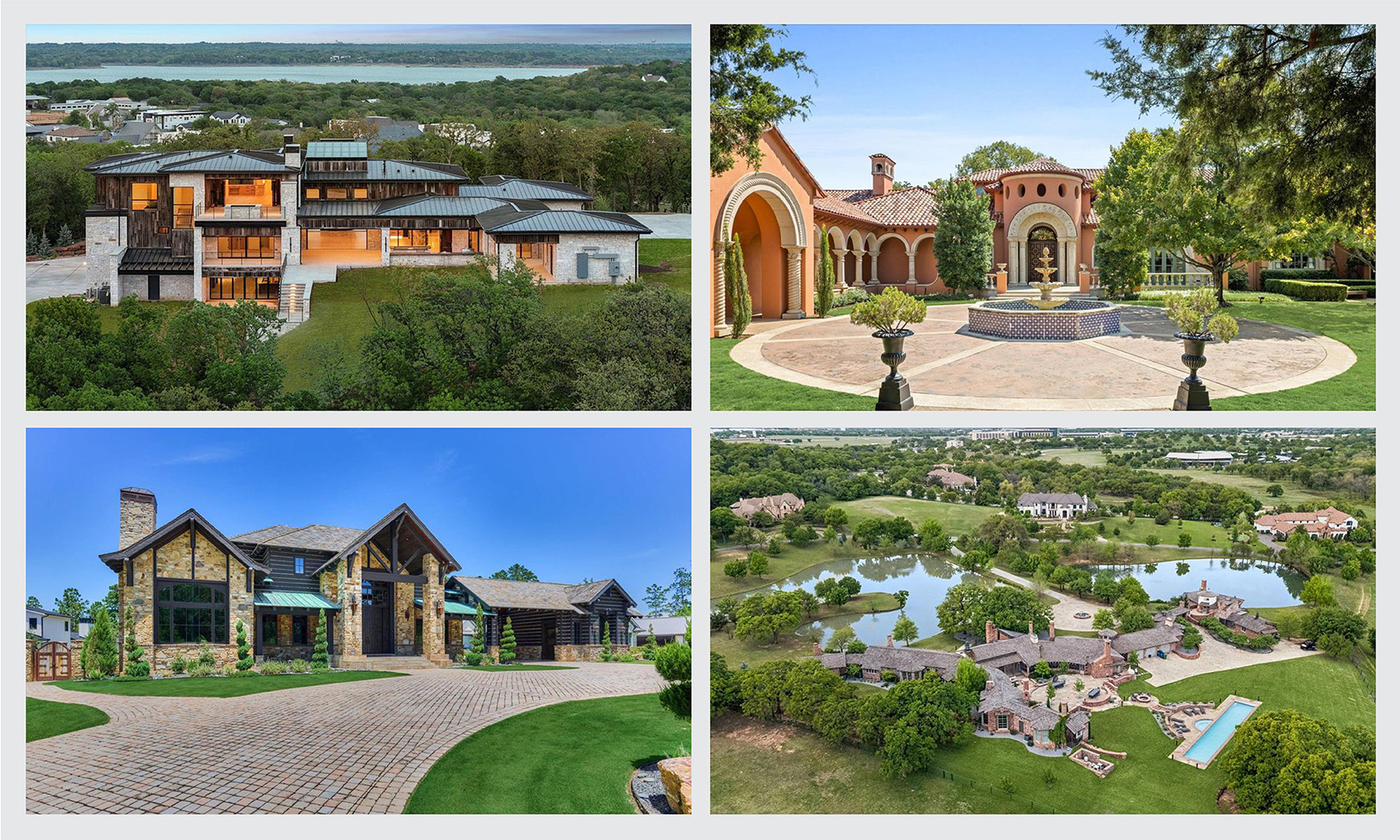
A brand-new Southlake estate listed for nearly $24 million tops the April ranking of the most expensive new listings in Texas.
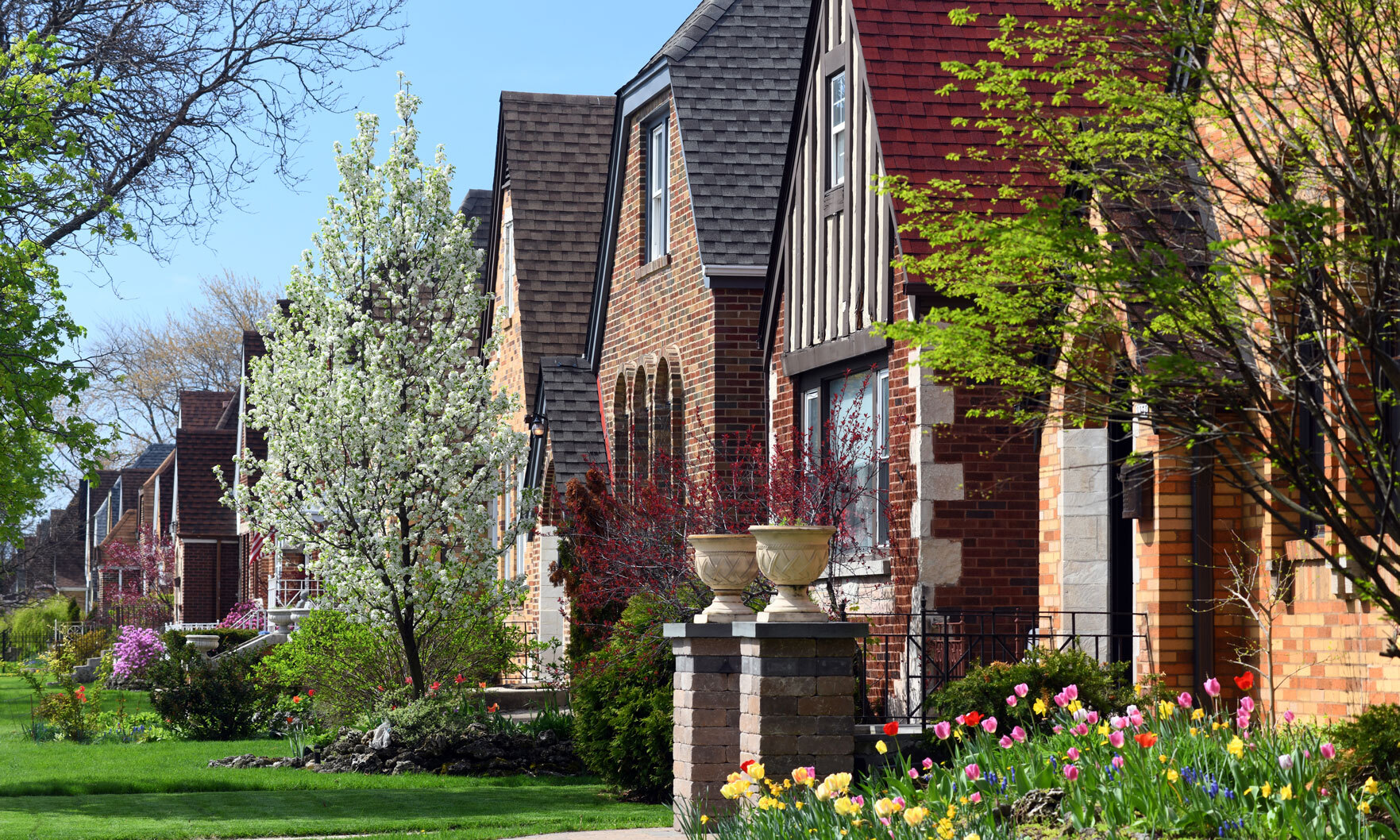
The 2026 spring housing market is neither surging nor stalled, but moving forward as both buyers and sellers adjust their expectations.

Short answer: Yes. But not quite in the way mom and dad did it, according to a survey of over 2,000 American renters and would-be homeowners.
S&P Dow Jones Indices noted that inflation outpaced national home-price appreciation for the ninth month in a row.

That timeline is typical for a family saving 15% of their income, assuming a 15% down payment.
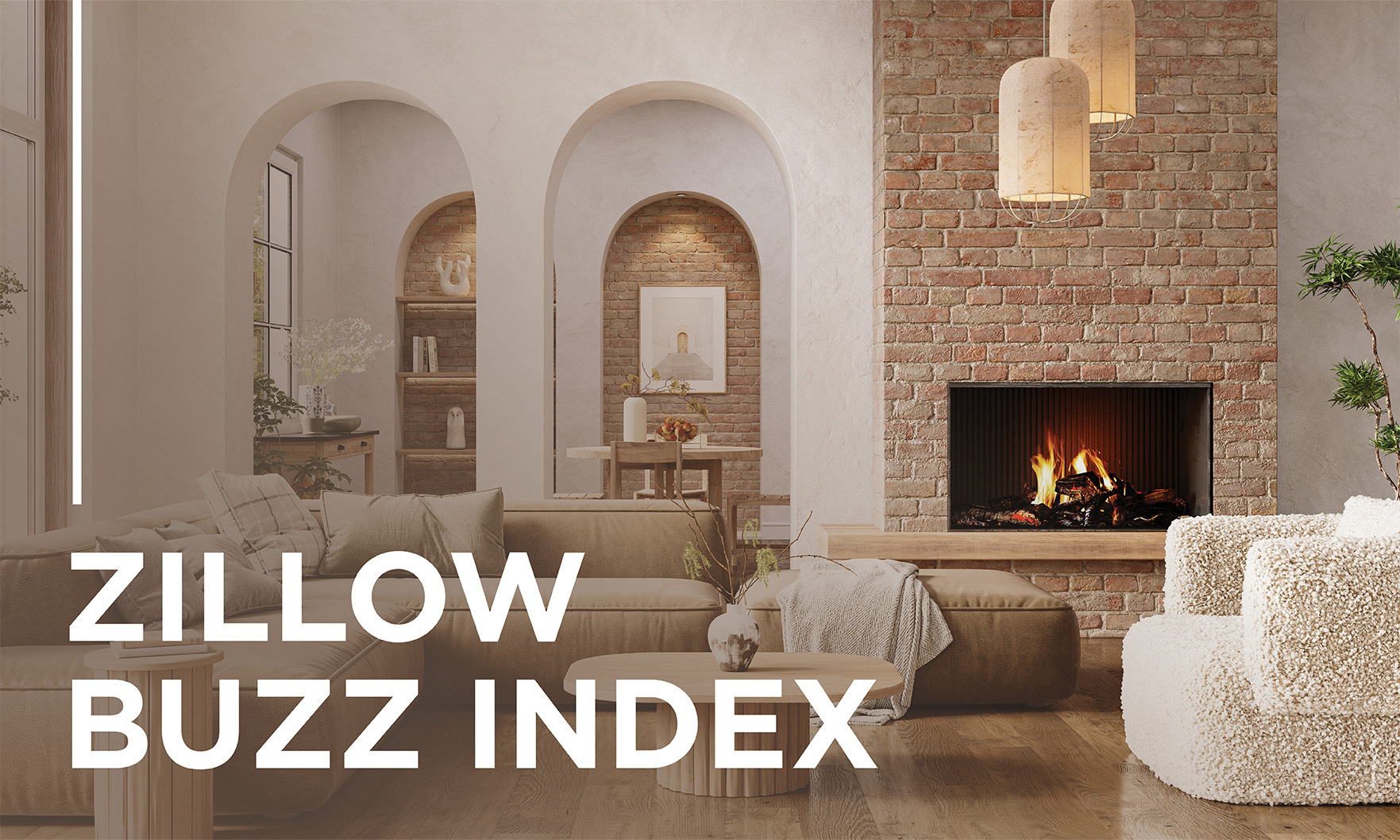
Among over 600 home features and design aspects, exposed beams were the most popular — home listings featuring the element saw 19.7% more engagement on Zillow.com.
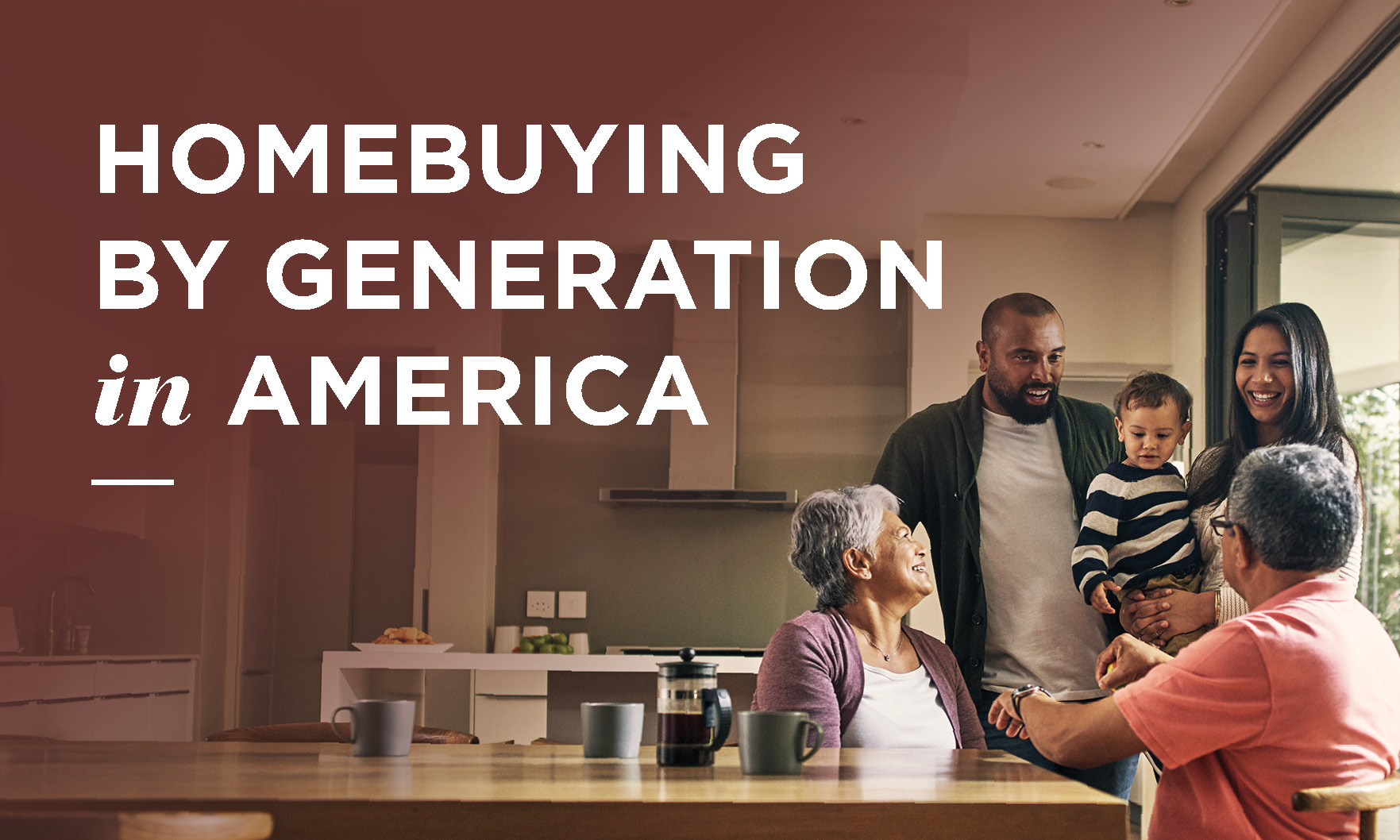
Boomers made up 42% of all homebuyers during the period from July 2024 to June 2025, unchanged from the same time a year prior. Millennials lost market share, making up 26% of buyers, down 3% year over year.
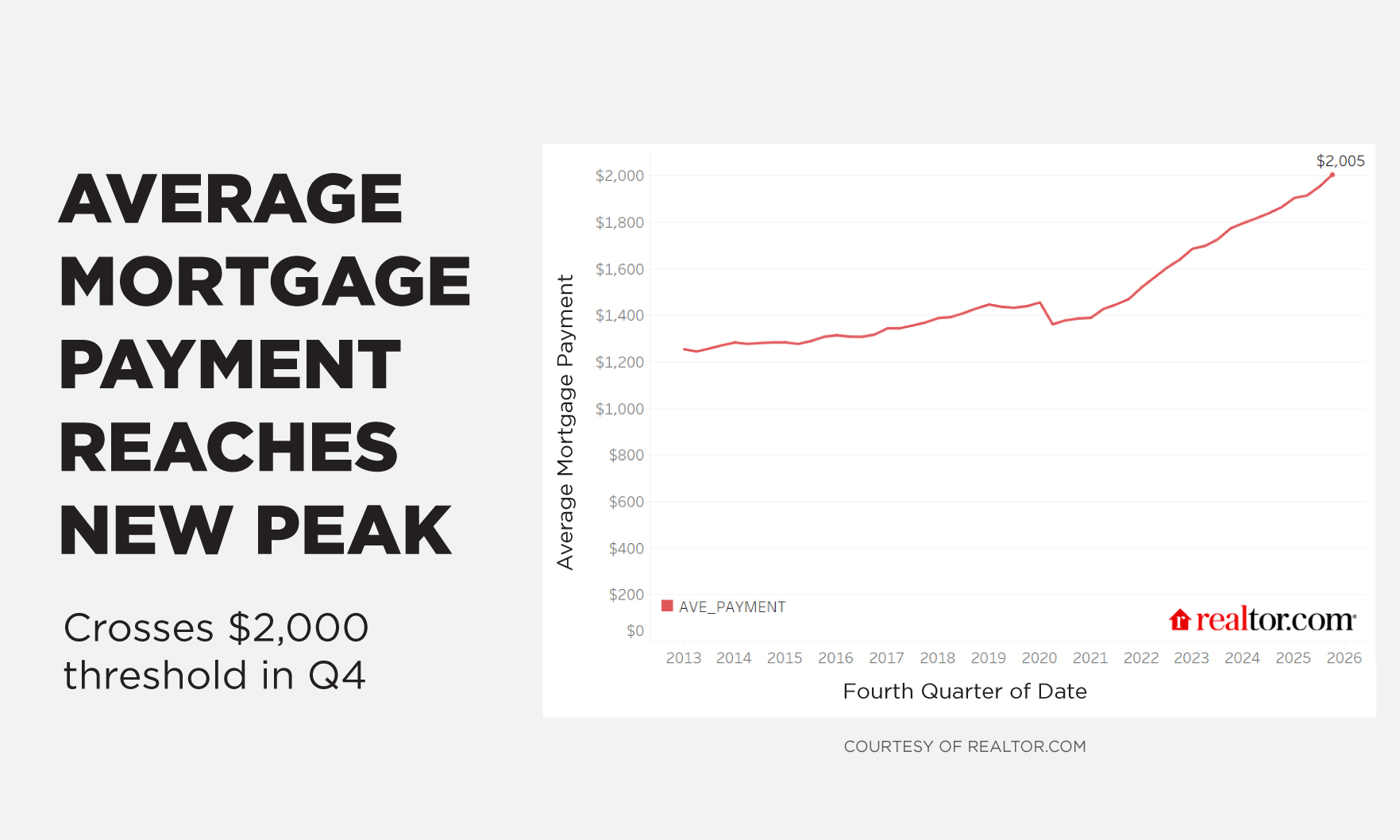
The average monthly payment on an outstanding home loan reached $2,005 in the fourth quarter of 2025, according to Realtor.com’s latest data based on FHFA figures.

Redfin noted that millennials are currently the largest generation, making the rate of boomer homeownership even more outsized in comparison.
S&P Dow Jones Indices noted that inflation outpaced national home-price appreciation for the eighth month in a row.
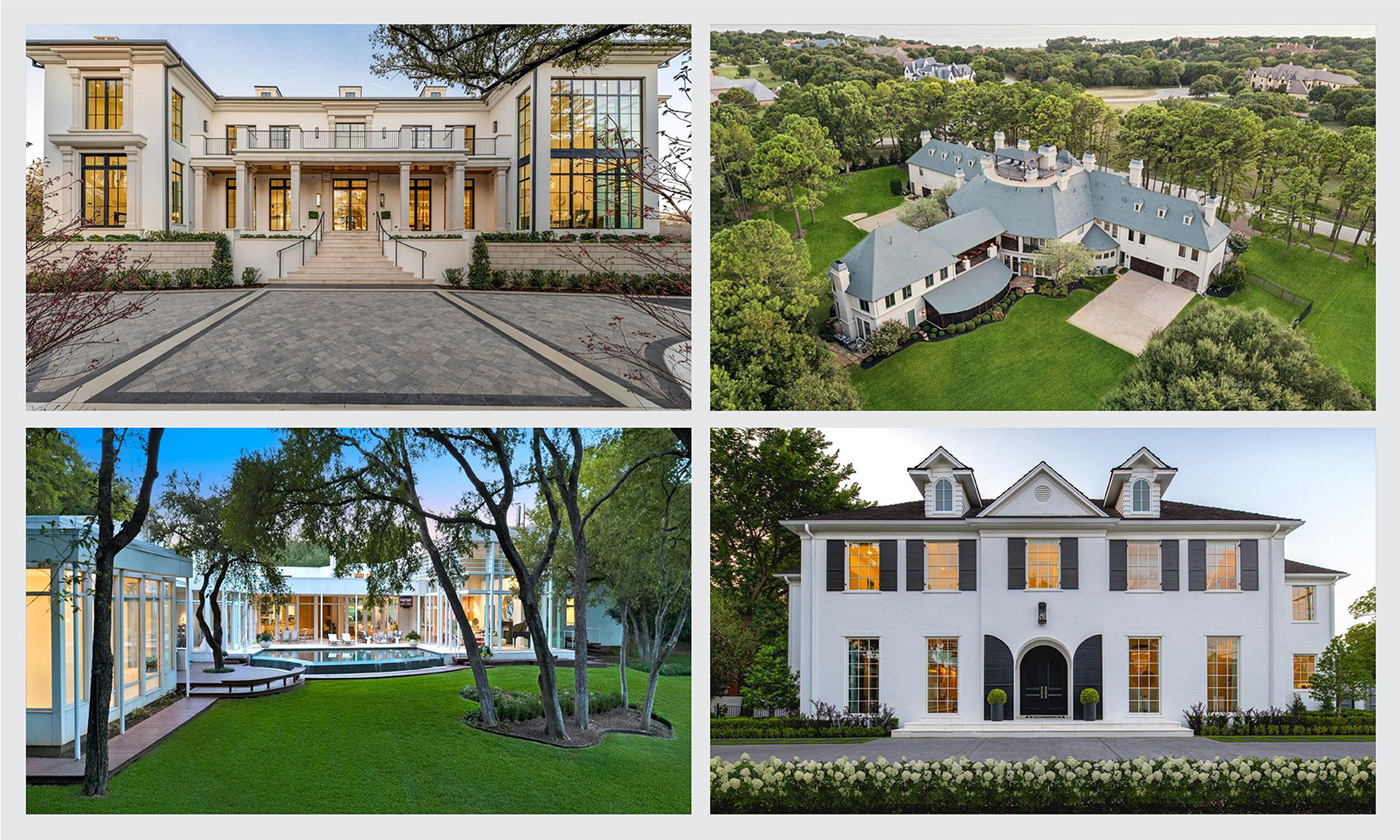
All 10 of the priciest new listings in Texas are located in the Dallas area, including homes in Westlake, Southlake, Highland Park and Flower Mound.
The 2026 National Housing Supply Summit was held in Washington, D.C., on March 18.
Though the most lucrative week to list varies by city and region, spring is undoubtedly the smartest season to list.
Here’s how the square footage shakes out in the largest DFW-area cities.
Regionally, pending sales rose in the Midwest, South and West, and declined in the Northeast on a month-over-month basis.