
Current Market Data
Nationwide, the median price for a single-family home increased 1.7% year over year to $426,800. Prices increased by the same annual rate during the second quarter.
Home sales increased annually in three of Texas’ four major markets during the third quarter, according to the latest data from Texas REALTORS®.
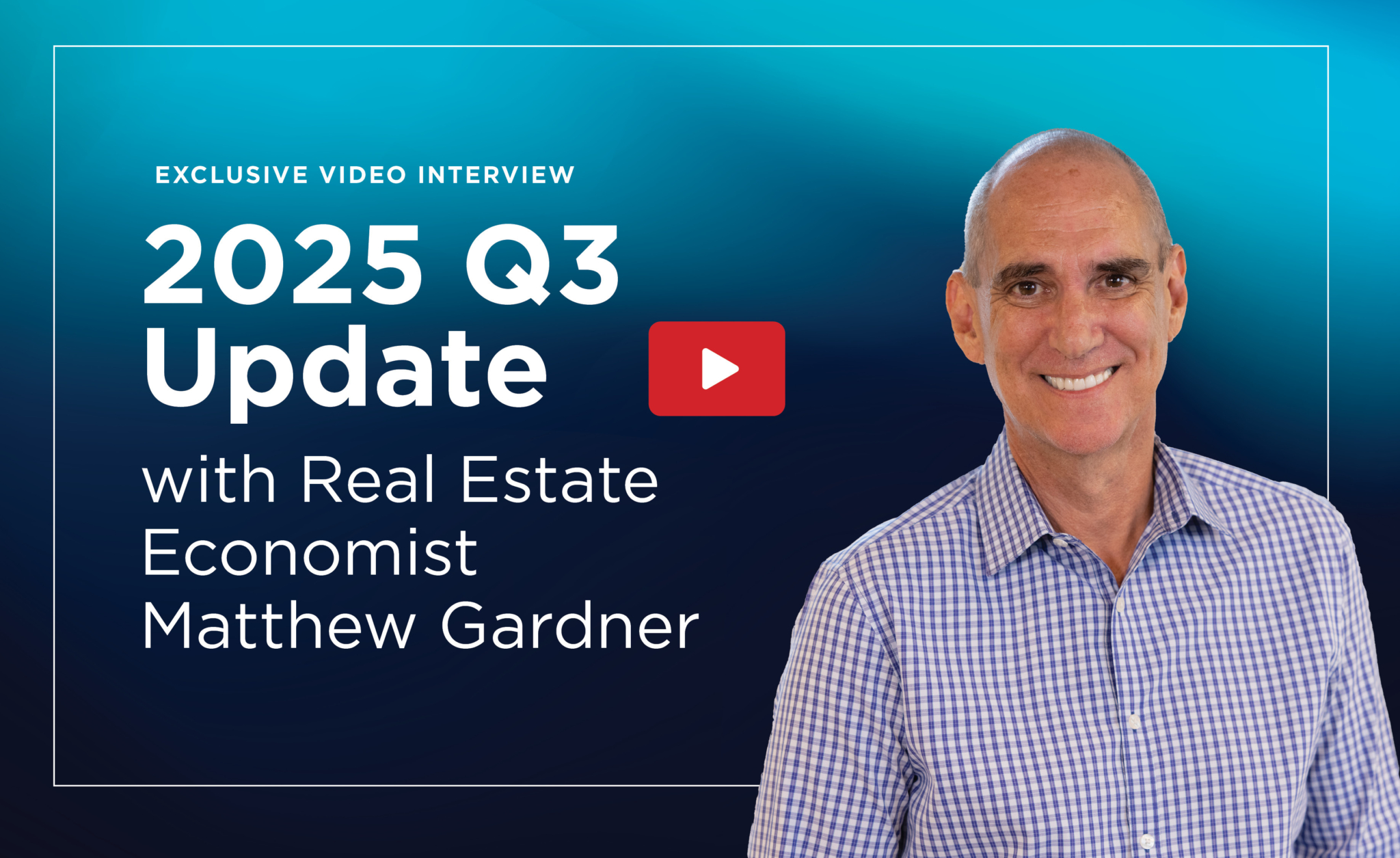
How will the government shutdown hit the real estate market? Will big company mergers change the industry landscape? Economist Matthew Gardner is back answering those questions and more in his Q3 2025 Update with Agent Publishing Co-Founder Anne Hartnett.
New homes in Dallas-Fort Worth took slightly longer to sell in September, with homes spending an average of 141.85 days on market, up from 132.65 days a month prior.
Given the rate of sales, the nation had a 4.6-month housing supply, up from 4.2 months a year prior.

Tapping into Realtor intel, Zillow analyzed its listing database for keywords that are increasing most in popularity heading into the new year.
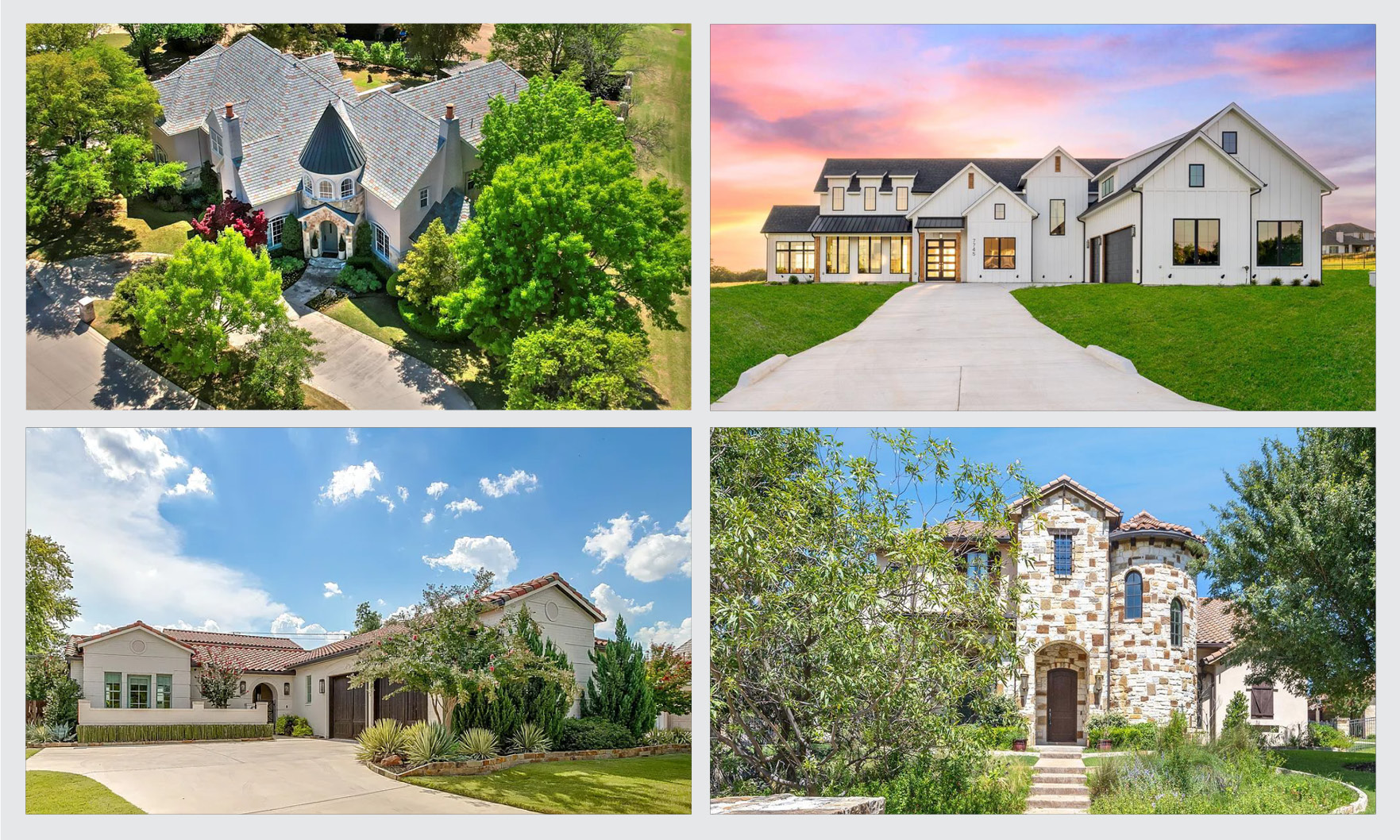
The most expensive home sold in Fort Worth last month stayed on the market for 118 days before closing.

Agent Publishing Founder and Publisher Anne Hartnett discusses Brokerage Culture with Realogics Sotheby’s International Realty’s Val Burmester, Rachel Schindler and Dean Jones.
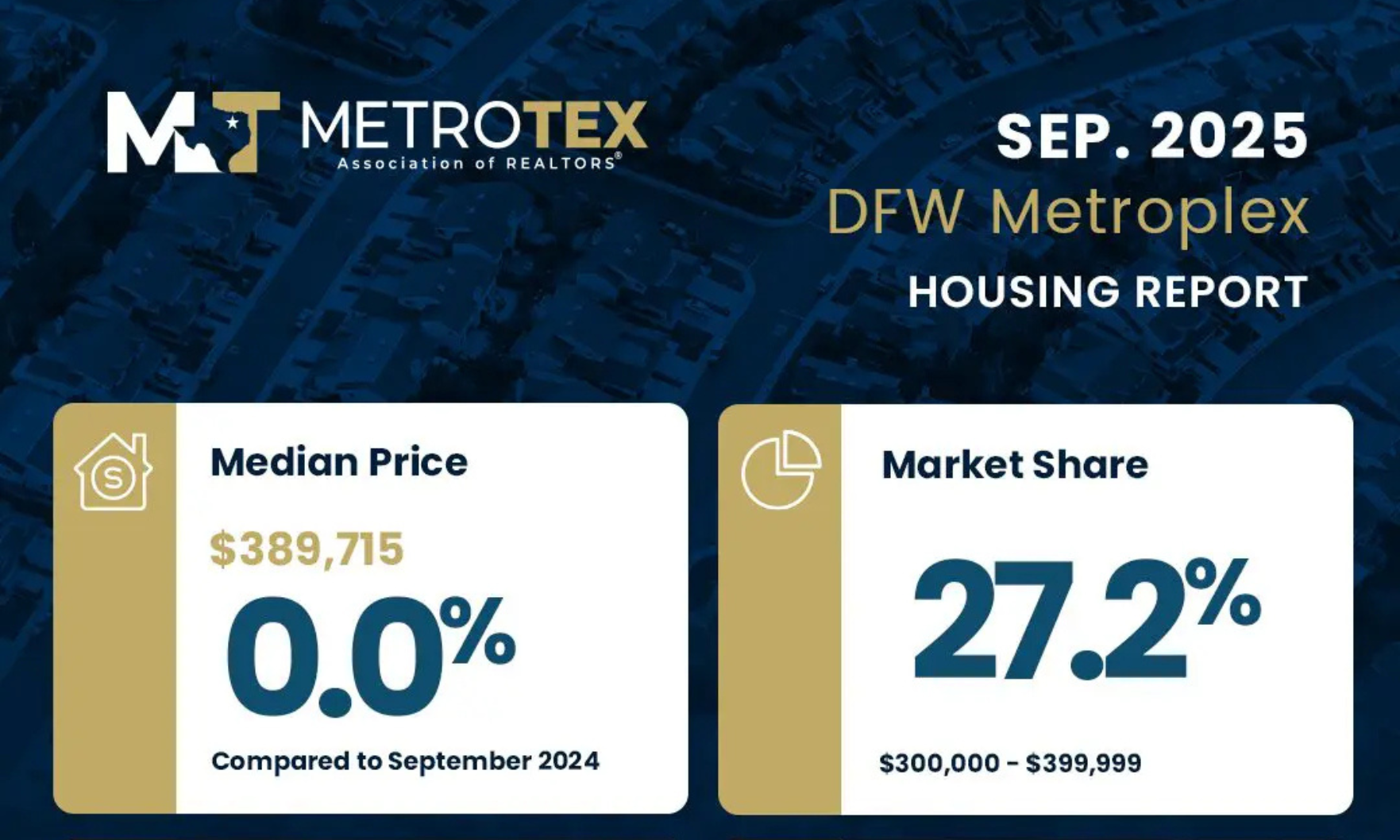
Given the rate of sales, the Dallas-Fort Worth Metroplex had a 4.6-month inventory, up from four months in September 2024.
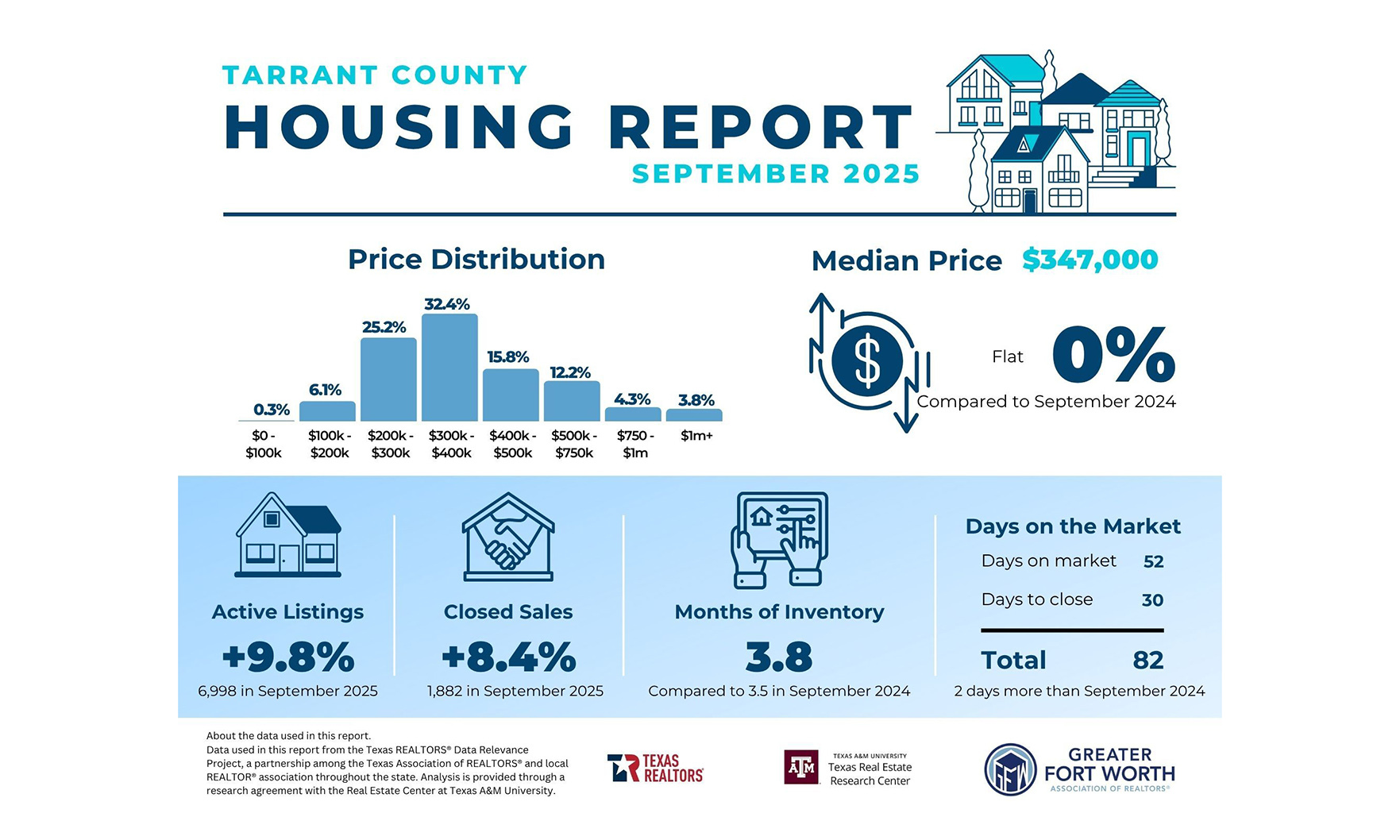
“A steady, and in some cases upward, market trajectory is a good place to be in today’s economy,” said GFWAR President Paul Epperley.
For its inaugural Texas Homebuying Experience Report, the association surveyed Texas Realtors about their experiences with buyer clients during the first six months of the year.
The pace of home sales, meanwhile, remained at “multi-decade lows” even as affordability reached its most favorable level since 2022.
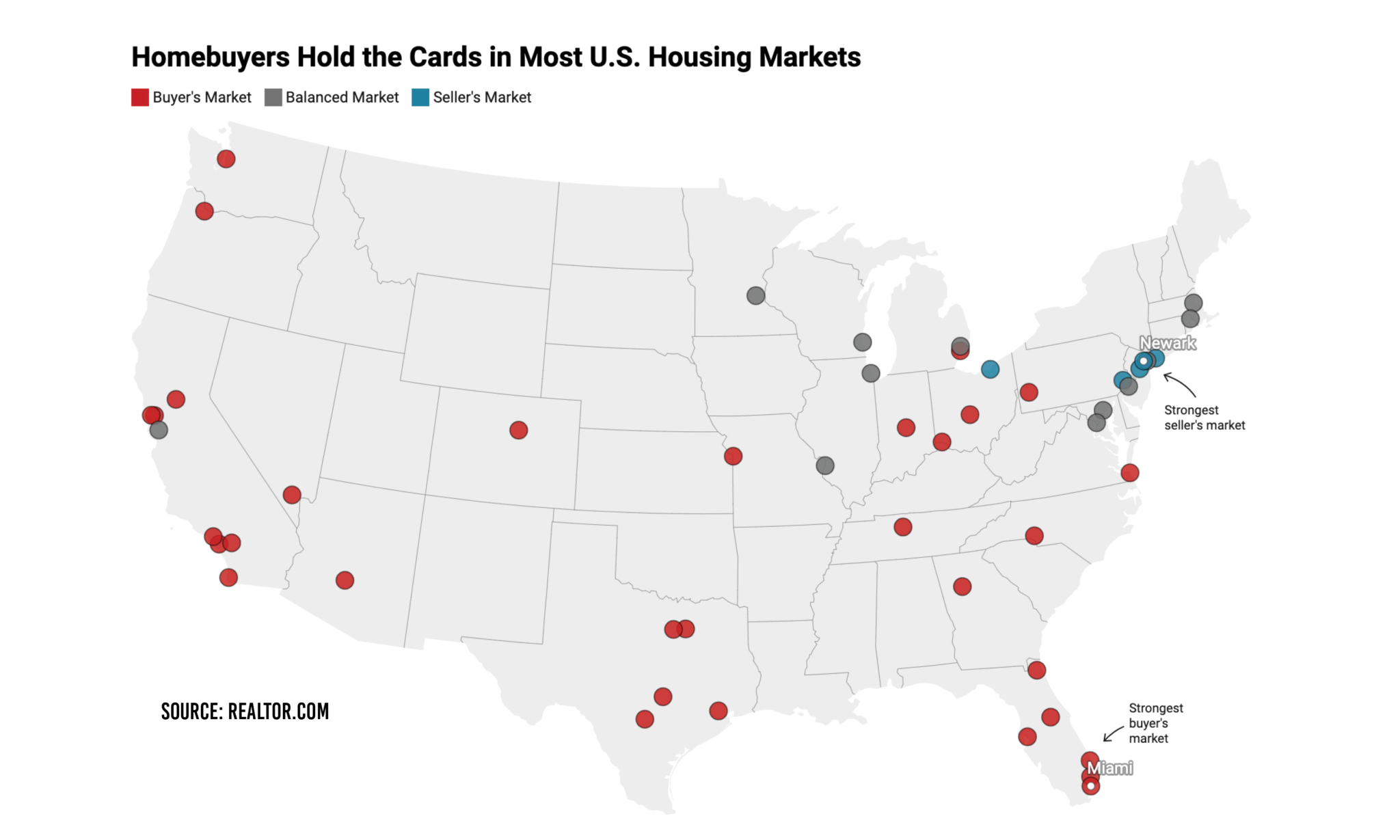
Across reports from Realtor.com, Zillow and Redfin, the data converges on one clear truth: the housing market’s momentum is tilting toward those shopping for homes rather than those selling them.
The pace of home-price appreciation declined to its weakest pace in 10 years, according to the S&P Cotality Case-Shiller U.S. National Home Price Index.
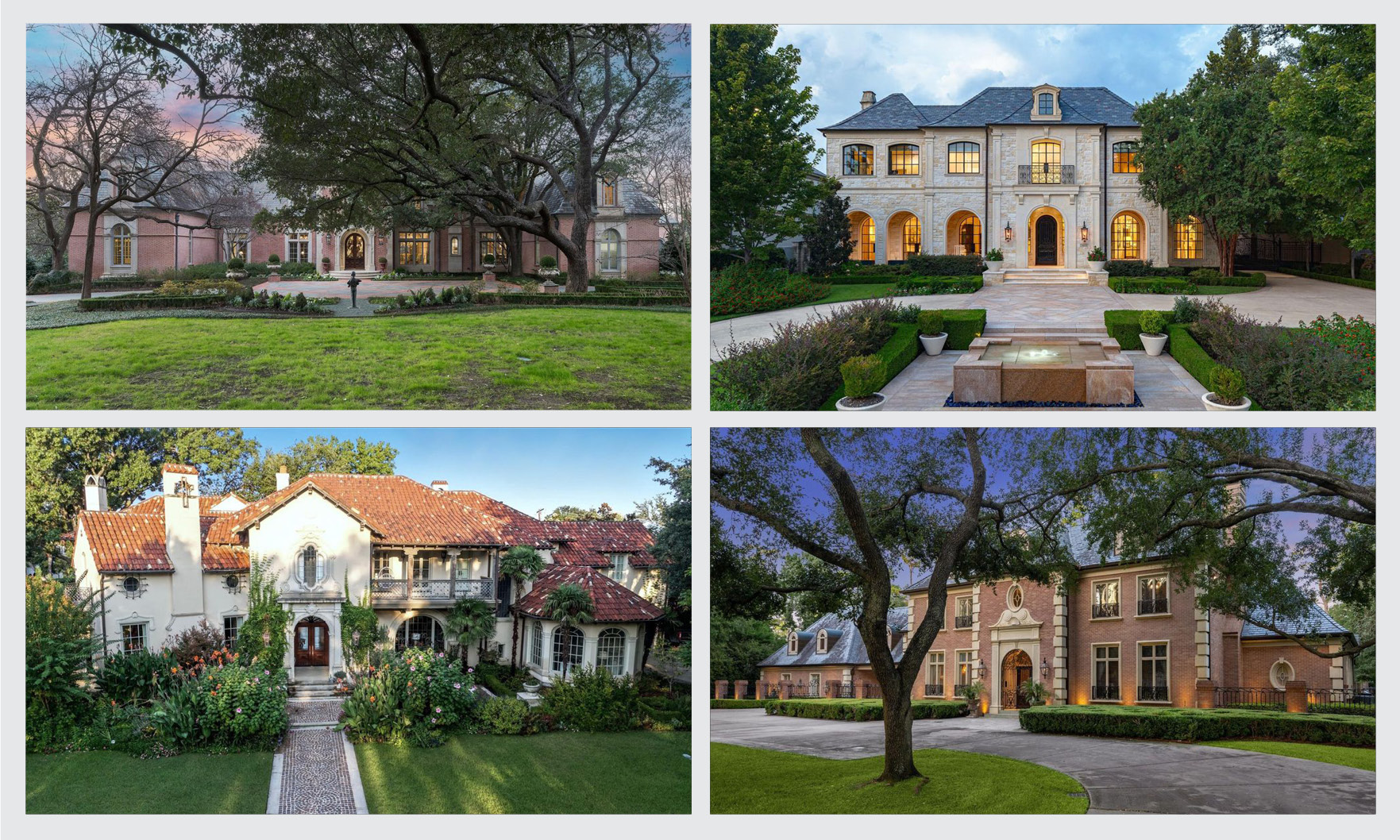
The priciest new listing in Texas this past month is a $22 million estate that spans 14,341 square feet — that’s over $1,500 per square foot.

Searches for “fixer-upper” on Realtor.com in July 2025 have more than tripled in volume compared to four years ago.